Return-to-Sport Testing in Oakland, CA
Know You're Ready Before You Go Back
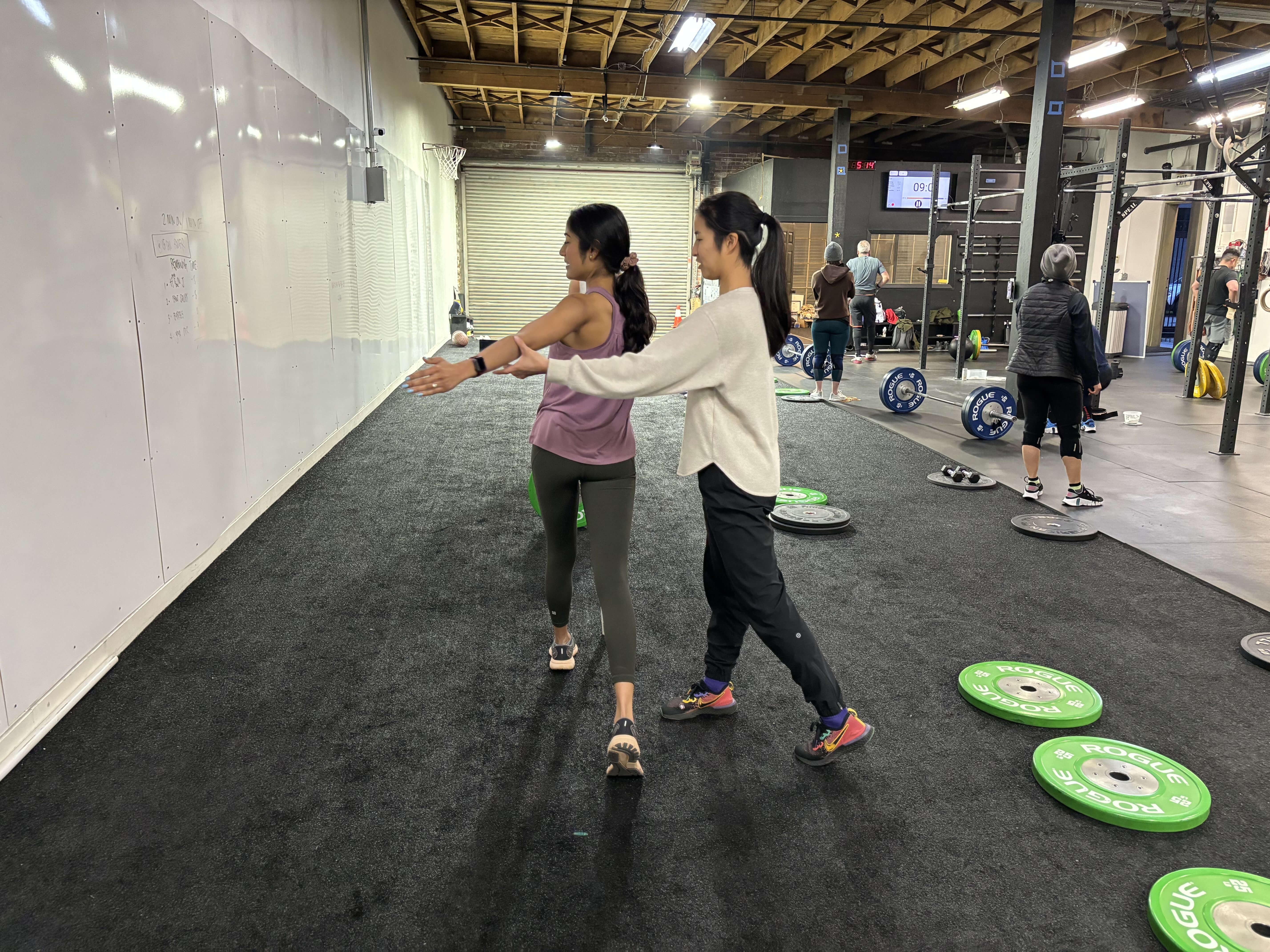
Athletes come to us when they're close to returning from injury but don't want to guess whether they're actually ready. We run objective, data-driven tests — force plate assessments, functional movement screens, and sport-specific challenges — to give you a clear, honest answer on where you stand and what to do next.
What Happens When Athletes Return Without a Clear Assessment
Re-Injury Risk Stays High
Returning too soon — or without knowing where your limb symmetry actually stands — is one of the fastest ways back to square one. The second injury is often worse than the first.
"Feel-Based" Readiness Isn't Enough
Feeling good in practice is not the same as being ready for full-speed competition. Strength deficits, asymmetries, and reactive neuromuscular gaps don't always show up until they do.
Confidence Takes Longer to Return
Without objective data on what you can actually handle, athletes hold back — protecting the injury mentally long after the tissue has healed and limiting their full return to performance.
Return-to-Sport Testing Built Around Real Performance Demands
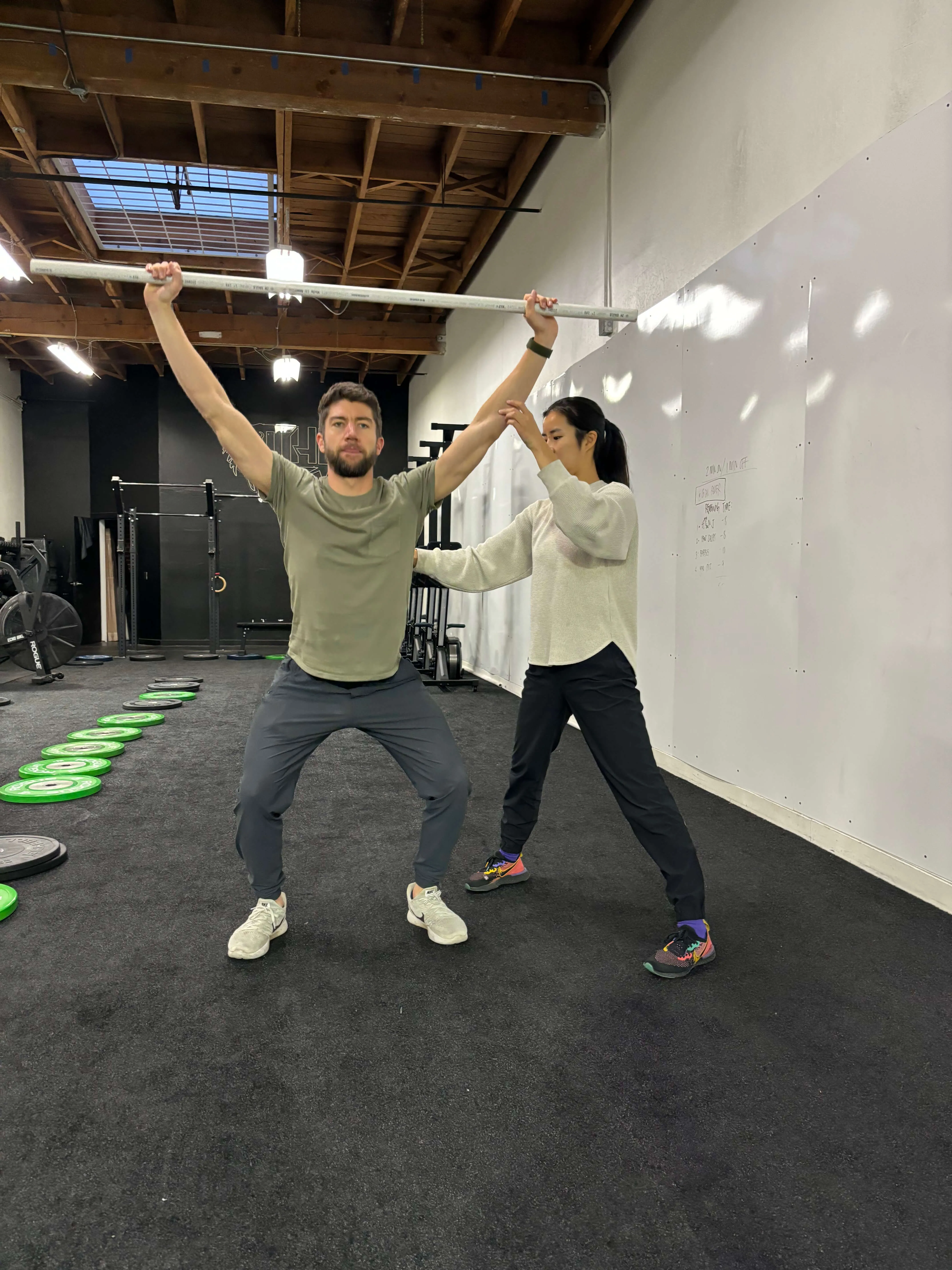
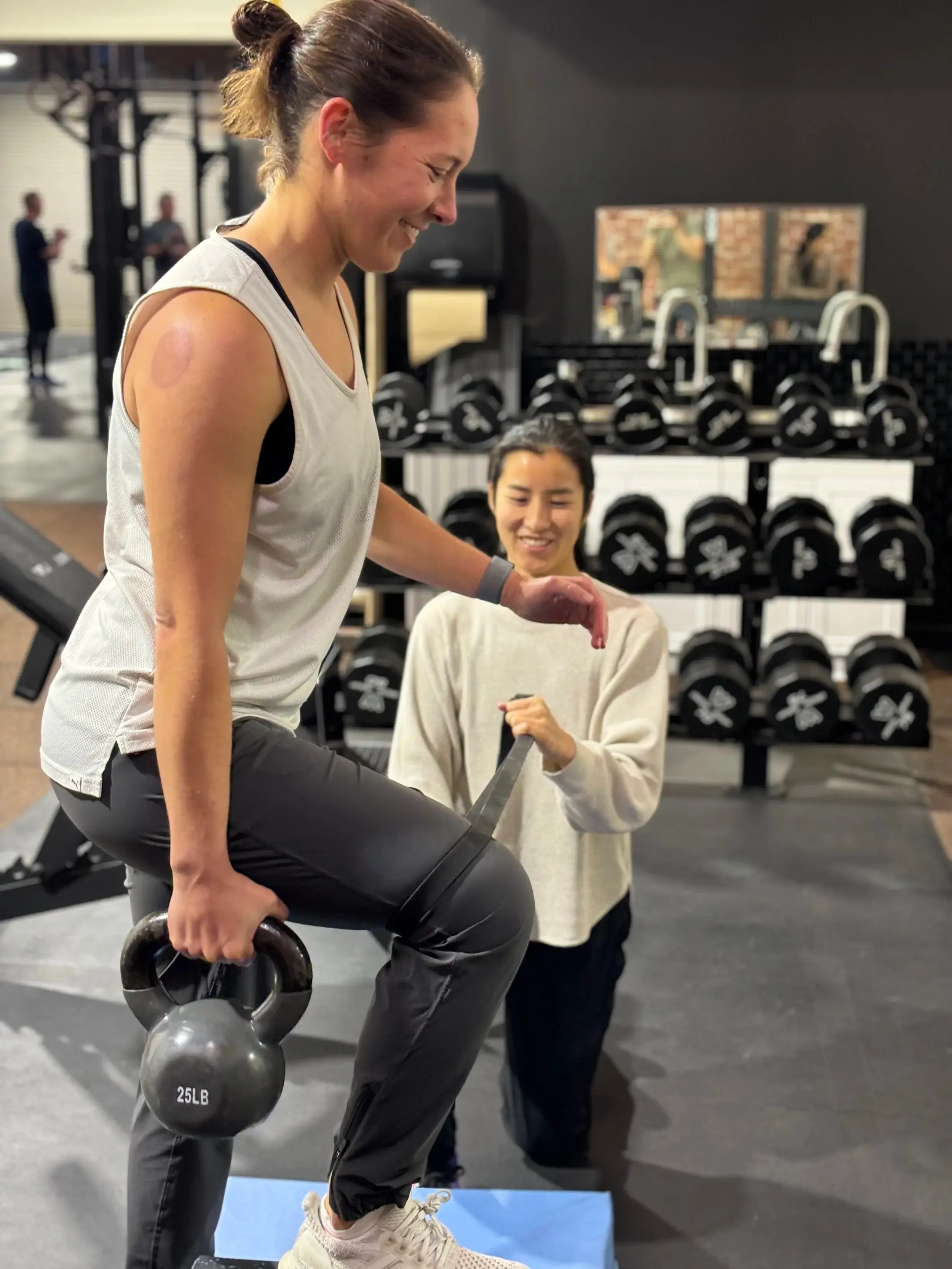
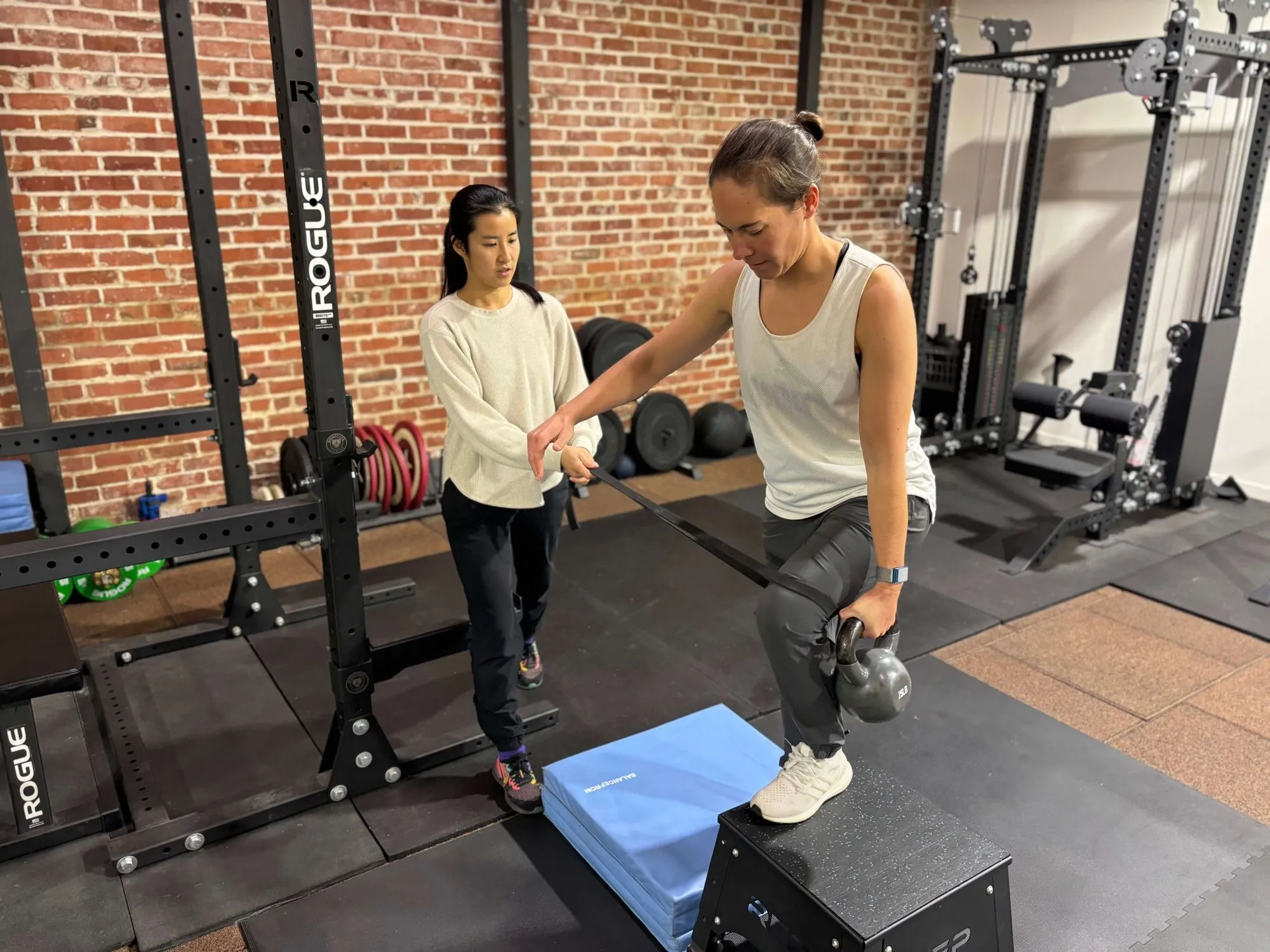
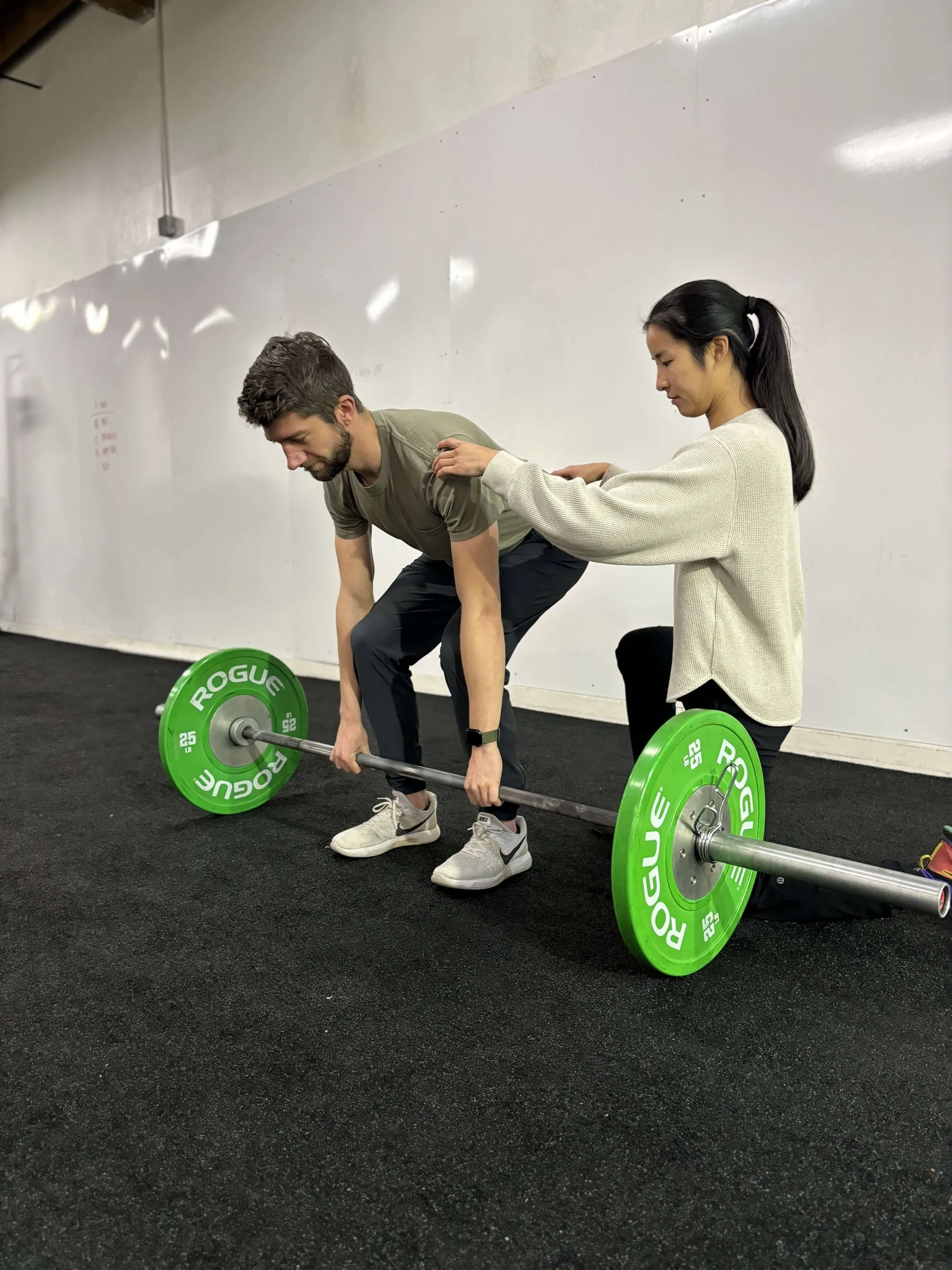
A real return-to-sport clearance goes beyond "does it feel okay." We measure limb symmetry, reactive strength, power output, and movement quality under load — then map what we find to the demands of your sport before giving you a clear answer.
Who We See for Return-to-Sport Testing in Oakland
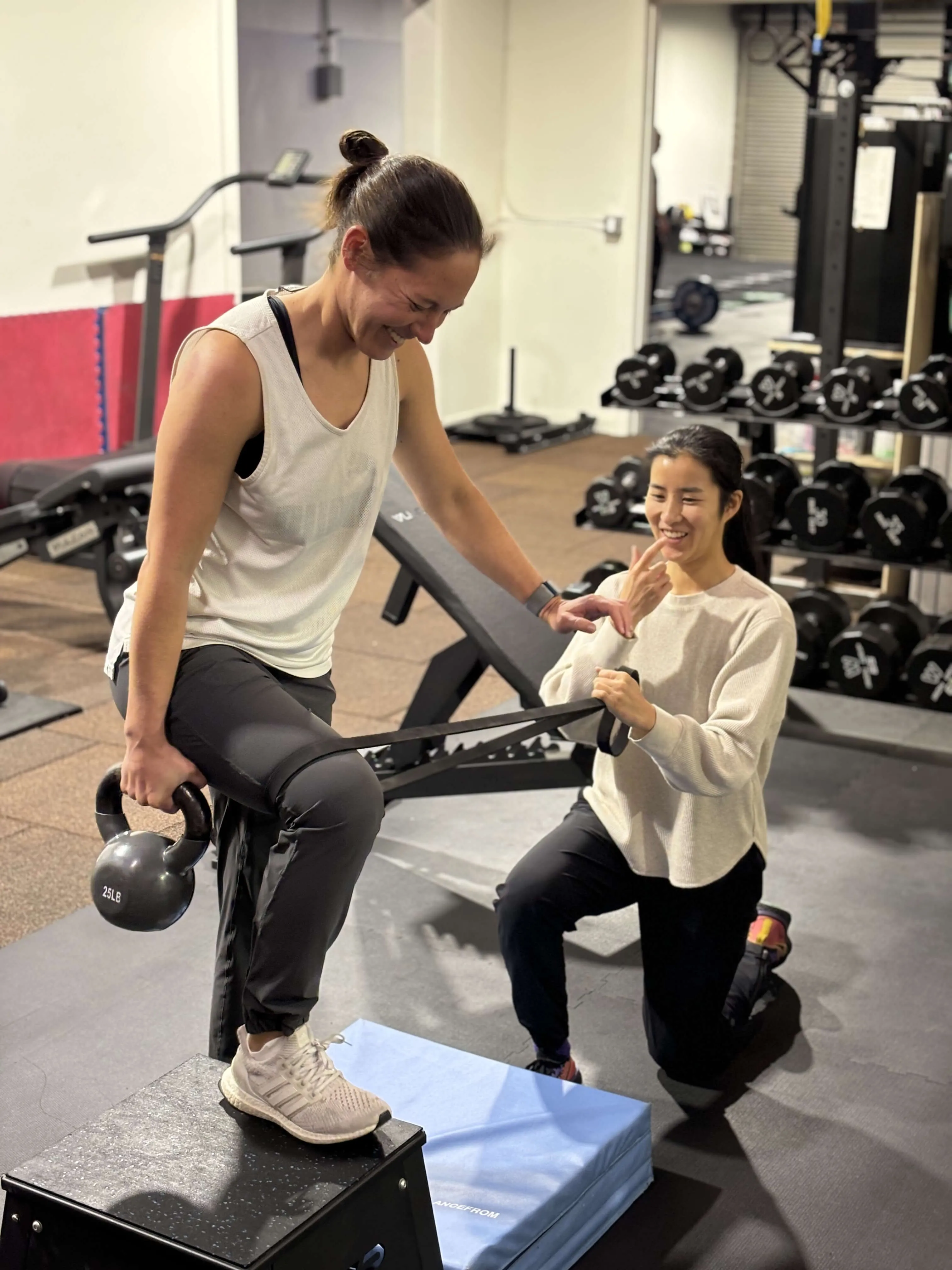
Return-to-sport testing is useful at any competitive level — from high school athletes to adult weekend competitors managing their way back from injury.
Athletes recovering from ACL reconstruction or ligament injury - People working through a knee ligament injury who need objective clearance data — limb symmetry, reactive strength, and hop testing — before returning to cutting, pivoting, and full competition.
Runners returning after a lower extremity injury or surgery - Athletes coming back from a hamstring tear, IT band syndrome, Achilles tendinopathy, or similar injury who want a data-driven answer on whether their body is ready to absorb full running load again.
Team sport athletes cleared by a surgeon but unsure about full return - Soccer, basketball, and field sport athletes with surgical clearance who still need a functional readiness assessment to confirm their mechanics and reactive strength match the demands of the sport.
What to expect when you work with us
Start with a phone consult
We'll talk through your goals, concerns, and what you've tried so far. This helps us confirm we're the right fit and clarify next steps.

Build a clear plan
Your first visit includes a thorough, full-body assessment to identify the root cause of your issues. You will leave with a customized plan to get out of pain and get back to your goals.
.png)
Return to movement with confidence
We'll guide you through an active progression that builds resilience, reduces flare-ups, and helps you stay consistent for the long haul.
What Oakland Athletes Say About Return-to-Sport Testing at Odyssey
Real feedback from athletes who got an objective answer on readiness and returned to sport with confidence.


Frequently Asked Questions
Common questions about return-to-sport testing at Odyssey Performance PT in Oakland.
We run a battery of objective tests — force plate assessments, single-leg hop testing, strength and symmetry measures, and sport-specific movement screens — to evaluate whether your body is ready for the demands of full return. You leave with a clear answer and a specific plan, not just a feeling.
Not necessarily. California is a direct access state — you can schedule directly with a physical therapist without a referral. If you've had surgery, we recommend having basic surgical clearance before testing, but you don't need a formal PT referral. Reach out and we'll confirm the right timing based on where you're at.
Surgical clearance confirms tissue healing — it doesn't measure whether your strength, symmetry, and reactive capacity are ready for sport. Return-to-sport testing fills that gap with objective data on power output, limb symmetry, and functional movement quality that a clinical exam or imaging alone won't capture.
Research-supported benchmarks vary by sport and injury type, but a common standard for lower extremity return-to-sport is 90% or greater limb symmetry on key strength and hop tests. We assess your results in the context of your sport, your history, and your goals — not a single number in isolation.
That's exactly what the testing is for. If there are gaps, you leave with a specific plan — what to address, how to train it, and a realistic timeline for re-testing. Many athletes go through a bridging program with us and return for a follow-up assessment before full clearance.
Still have questions?
Reach out anytime with questions about return-to-sport testing or whether Odyssey is the right fit for where you're at.
Ready to Know You're Actually Ready?
Start with a phone consult to talk through your injury history, your goals, and what return-to-sport testing can tell you about where you actually stand and what it takes to get back safely and confidently.