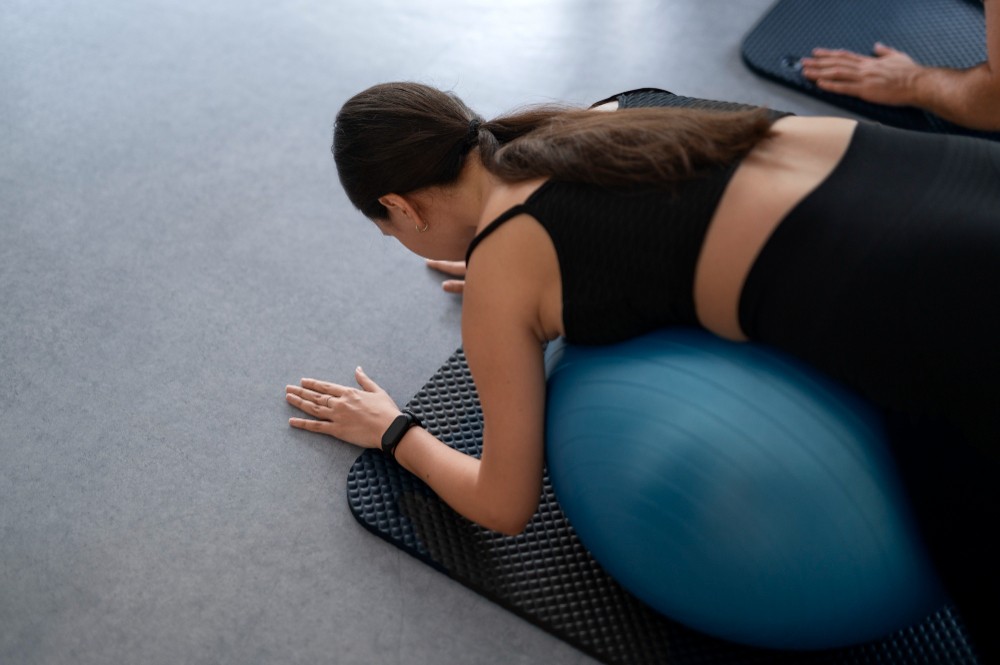
Pelvic Floor Therapy for Menopause in Oakland, CA
Move Through Menopause On Your Own Terms
Women come to us when pelvic symptoms, hip stiffness, or a body that doesn't move like it used to keeps getting in the way of staying active. We identify what's driving your discomfort and build a plan to address it — one-on-one, for a full hour, every session.

What Happens When Menopause Symptoms Go Unaddressed
Symptoms That Compound Over Time
Pelvic floor changes during menopause don't stabilize on their own without intervention. Weakness, discomfort, and bladder urgency tend to intensify over time — and can limit more of daily life the longer they go unaddressed.
Pulling Back From Activity Makes It Worse
Reducing exercise to avoid discomfort during menopause backfires. The body needs progressive load to stay strong and resilient — scaling back leads to more deconditioning, not less discomfort.
The "This Is Just Part of Aging" Trap
Pelvic floor symptoms during menopause are common, but they're not something you have to accept. Most people who come to us were told to manage it with Kegels and left without a real plan for what their body actually needs.
Pelvic Floor PT Built Around Staying Strong and Active
Menopause changes how your body responds to load, movement, and recovery. We assess pelvic floor function, strength, and how your whole system handles the activities you want to keep doing — then build a plan specific to where you are and what you want to return to.
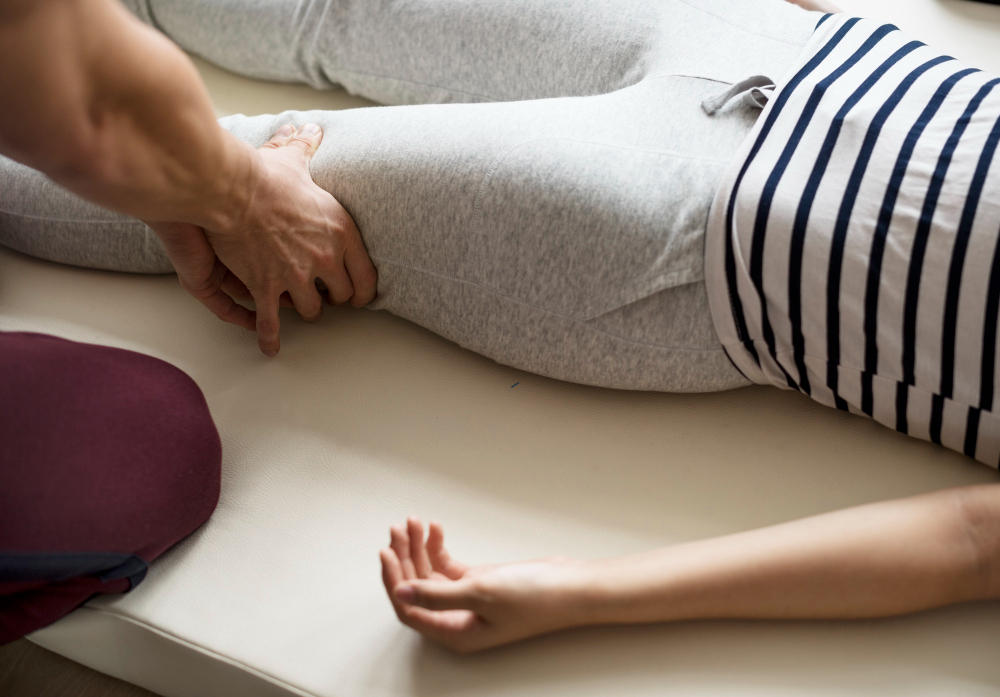
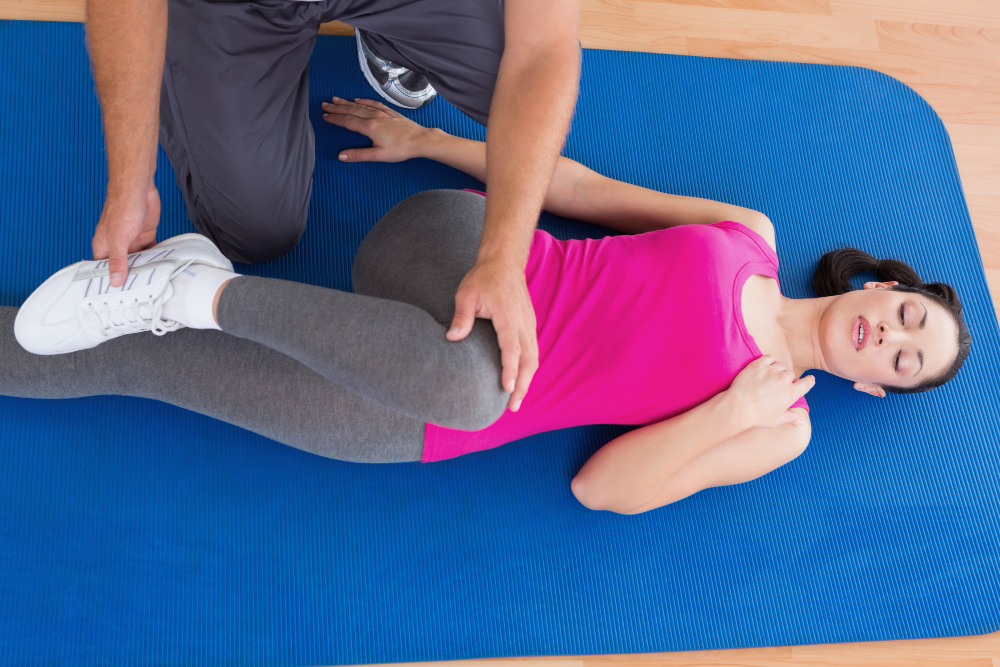
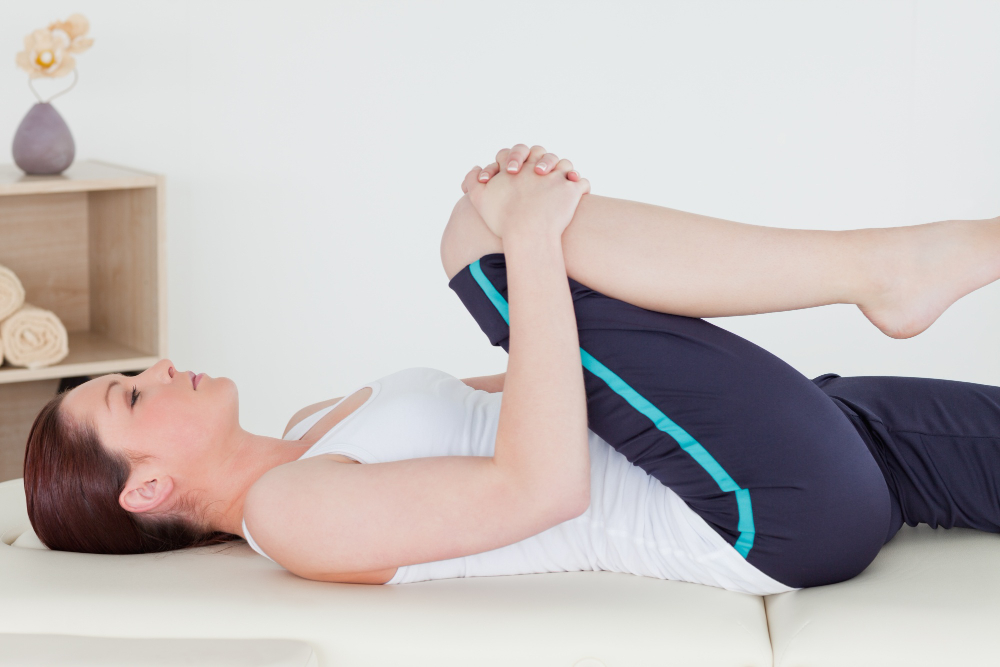
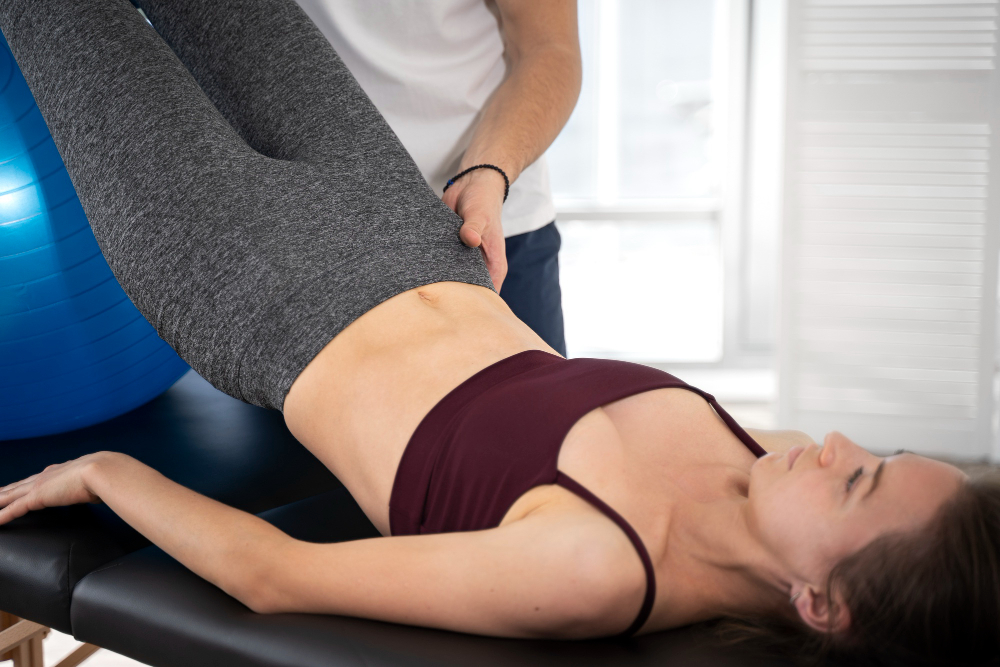
Who We See for Pelvic Floor PT in Oakland
Pelvic floor PT for menopause is for active women at any stage of the hormonal transition — not just those with severe symptoms.
Active women dealing with pelvic pain or pressure during exercise - Women navigating menopause who find that running, lifting, or impact activity triggers pelvic discomfort or heaviness that wasn't there before — and is starting to shape which activities they're willing to take on.
Women experiencing bladder urgency or leakage that affects activity - Active adults dealing with stress incontinence during exercise, urgency with sudden movement, or leakage with sneezing and jumping that's starting to determine which workouts they'll attempt and which ones they avoid.
Women dealing with hip pain, pelvic stiffness, or joint discomfort since menopause - People who notice that hip tightness, groin discomfort, or reduced range of motion has increased with the hormonal transition and is making training, hiking, or everyday movement harder to sustain.
What to expect when you work with us

Start with a phone consult
We'll talk through your goals, concerns, and what you've tried so far. This helps us confirm we're the right fit and clarify next steps.

Build a clear plan
Your first visit includes a thorough, full-body assessment to identify the root cause of your issues. You will leave with a customized plan to get out of pain and get back to your goals.
.png)
Return to movement with confidence
We'll guide you through an active progression that builds resilience, reduces flare-ups, and helps you stay consistent for the long haul.
What Oakland Women Say About Pelvic Floor PT at Odyssey
Real feedback from active women who addressed menopause symptoms and got back to the activities they love.


Frequently Asked Questions
Common questions about pelvic floor physical therapy for menopause at Odyssey in Oakland.
No referral needed. California is a direct access state, so you can work with a physical therapist directly without a physician's order. Start with a phone consult to talk through what you're experiencing, and we'll confirm whether it's a strong fit for what we do.
Not necessarily. Effective pelvic floor PT can include external manual therapy, movement assessment, and targeted strength work without internal examination. We'll talk through your comfort level and goals at your first visit and build an approach that makes sense for you.
Declining estrogen during menopause affects connective tissue in the pelvis — reducing elasticity, changing muscle tone, and altering how the pelvic floor handles load. This can show up as leakage, pelvic pain, hip stiffness, or reduced tolerance for activities that used to feel fine.
Yes. We believe in active solutions that keep you moving, not restrictions that sideline you. We'll assess what you're currently doing, modify anything that isn't helping, and build a progressive plan that keeps you active while your pelvic floor strengthens. The goal is always an active approach.
Kegels address one piece of pelvic floor function — isolated contraction — but don't account for coordination, load tolerance, hip and core integration, or how the system behaves during the activities you want to do. We assess the whole picture and build a plan around what your body actually needs.
Still have questions?
Reach out anytime with questions about pelvic floor PT for menopause or whether Odyssey is the right fit for where you're at right now.
Ready to Stay Active Through Menopause and Beyond?
Start with a phone consult to talk through your symptoms, what you want to keep doing, and what a realistic plan looks like for building the pelvic floor strength and resilience to stay active on your own terms.