If you are an active adult in the East Bay, dealing with a lingering injury can be incredibly frustrating. Whether it is shoulder pain flaring up during a workout or persistent knee discomfort on your weekend runs through Redwood Regional Park, your first question is almost always: how long until I am back to 100%? At Odyssey Performance Physical Therapy, we understand that you do not just want to rest — you want to stay in the game while you heal.
Understanding Your Recovery Timeline
There is no universal answer to how long recovery takes, but most soft tissue injuries require a window of 6 to 12 weeks for significant improvement. This timeline is grounded in the biological reality of how your body repairs muscle, tendon, and ligament tissue. When you work with a specialist in performance physical therapy in Oakland, the focus is on maximizing that window so you are not sidelined a day longer than necessary.
Your timeline depends on several factors: the severity of the tissue damage, how long you have been pushing through the pain, and your consistency with your program. A fresh ankle sprain might feel better in 2 to 3 weeks, while chronic Achilles tendinopathy or a rotator cuff tear may require several months of dedicated manual therapy and progressive reloading to achieve long-term resilience.
Recovery Targets for Common Injuries
While every person is unique, there are common benchmarks for the types of injuries that frequently affect Oakland's athletes and active adults.
Rotator Cuff and Shoulder Pain
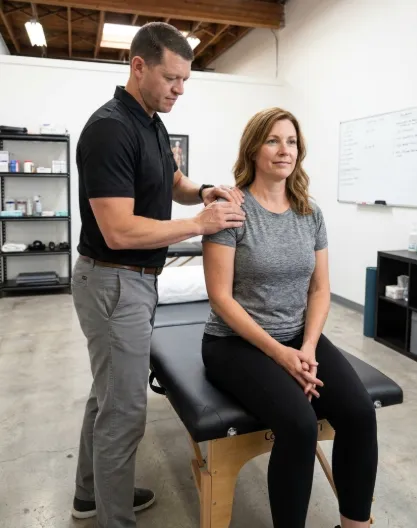
For overhead athletes or those who lift regularly, shoulder impingement or rotator cuff pain can be stubborn. You may see initial pain reduction within 3 to 4 sessions of targeted manual therapy, but building the strength and stability required to return to heavy pressing or overhead activity typically takes 8 to 12 weeks of progressive loading. Treatments such as joint mobilization, soft tissue mobilization, and therapeutic exercise are commonly used to address both symptoms and underlying mechanics.
Runner's Knee and Lower Extremity Issues
Runner's knee, also known as patellofemoral pain, often responds well to gait adjustments and hip strengthening. Many runners notice meaningful improvement within 4 to 6 weeks. A running gait analysis or running form assessment can help identify the biomechanical contributors driving the pain, allowing for a more targeted approach. More complex conditions such as meniscus injuries or IT band syndrome may require a longer commitment to strength and conditioning to address the root cause and prevent recurrence.
Lower Back Pain and Sciatica
Acute back strains often resolve significantly within 2 to 4 weeks with the right intervention. If you are managing chronic disc-related issues or sciatica, the focus shifts from short-term relief to long-term spinal health. This process often spans 8 to 12 weeks as treatment progresses through manual therapy, neuromuscular re-education, and functional movement work to restore stability and reduce the risk of future flare-ups.
Achilles Tendinopathy and Plantar Fasciitis
Tendon-related conditions in the lower leg and foot require a careful, graduated loading approach. Achilles tendinopathy and plantar fasciitis both respond well to a combination of soft tissue mobilization, therapeutic exercise, and load management. Expect a timeline of 8 to 16 weeks depending on chronicity, with return-to-running milestones guided by objective progress markers.
The Performance-Focused Approach at Odyssey Performance Physical Therapy
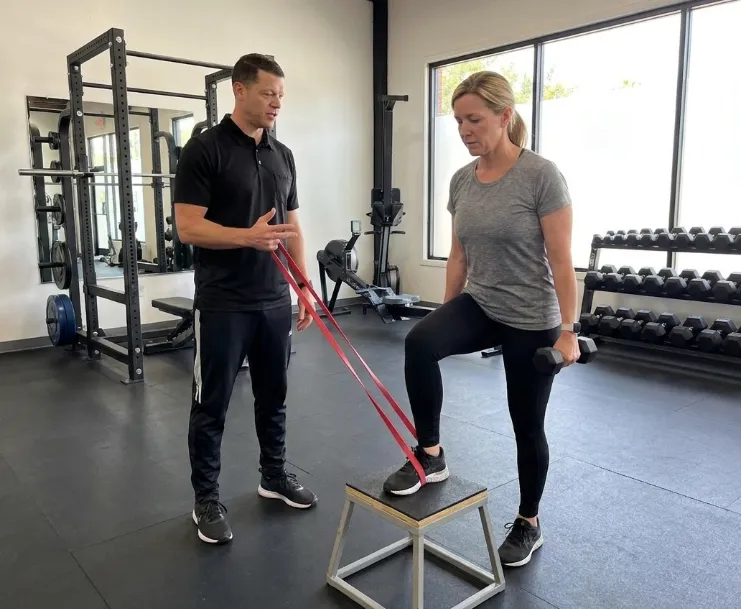
One of the reasons patients choose Odyssey Performance Physical Therapy is the emphasis on keeping you active throughout the recovery process. Complete rest is rarely the best medicine for an athlete or active adult. Instead, the approach involves finding a painless baseline — modifying your training load, adjusting movement patterns, and building around the injury rather than shutting everything down.
Treatment combines advanced manual therapy techniques — including myofascial release, trigger point therapy, cupping, and IASTM — to manage symptoms in the short term. At the same time, a progressive strength and conditioning program is introduced to build resilience and address the mechanical factors that contributed to the injury in the first place. This dual approach supports faster functional recovery because your body stays adapted to movement throughout the process.
Where appropriate, return-to-sport testing and functional movement assessments are used to ensure you are ready to resume full activity safely, not just symptom-free but genuinely prepared for the demands of your sport or training.
What to Expect When You Start
At Odyssey Performance Physical Therapy, your care begins with a thorough root-cause assessment. The goal is to understand not just what is hurting, but why the injury occurred in the first place. This informs a personalized plan of care designed to move you from pain management toward performance and injury prevention.
Recovery is rarely a straight line. There are peaks and plateaus, and progress can look different week to week. With consistent effort and a structured protocol, however, most patients move through the recovery process with clarity and confidence. The end goal is not simply to get you out of pain — it is to leave you stronger, more resilient, and better equipped to stay active long term.
If you are ready for a clear, performance-focused plan to get back to the activities you love, contact Odyssey Performance Physical Therapy to schedule your initial assessment in Oakland, CA.